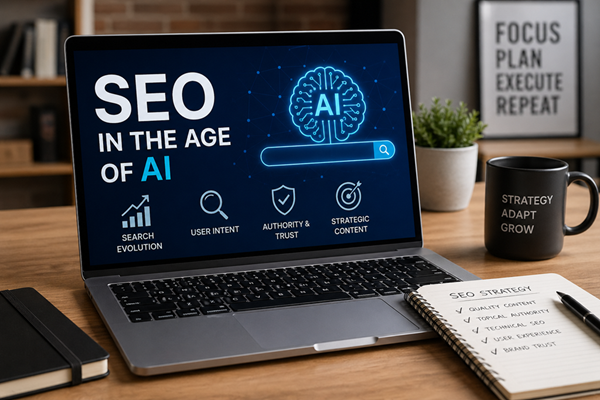
Search has changed. AI-generated answers, zero-click results, and conversational interfaces are reshaping how users find information. That has led many businesses to question whether SEO is still a worthwhile investment.
The short answer: yes, but only if it is done properly.
The reality of AI in search
AI tools and search features now sit between the user and your website. Google’s AI Overviews, chat-based search, and content generation tools reduce the number of clicks going to traditional organic listings.
However, these systems still rely on content from websites. AI does not replace search engines. It changes how search results are delivered.
If your content is not visible, authoritative, and structured correctly, it will not be used or referenced by these systems.
SEO shifted, not disappeared
SEO is no longer just about ranking pages for keywords. That approach is out-dated.
Modern SEO focuses on:
- Topical authority across a subject area
- Clear, structured content that AI systems can interpret
- Brand credibility and trust signals
- Search intent alignment rather than keyword matching
Websites that still rely on thin content, keyword stuffing, or out-dated tactics are seeing declines. Those that adapt are gaining more visibility across both traditional search and AI-driven results.
Why SEO still matters
1. AI needs source material
AI tools generate answers based on existing content. Without high-quality websites, these systems have nothing to reference.
If your site produces strong, reliable content, it can still influence what users see, even if they do not click through immediately.
2. Organic traffic is still high-intent
Users who search organically often have a clear need. Whether they are researching, comparing, or ready to buy, SEO traffic remains one of the highest-converting channels.
Paid ads can capture attention, but SEO builds sustained demand.
3. Brand visibility extends beyond clicks
Even when users do not click, appearing in search results or AI summaries builds brand recognition.
This means SEO now contributes to:
- Awareness
- Trust
- Authority
Not just direct traffic.
4. Long-term ROI remains strong
Unlike paid channels, SEO compounds over time. A well-optimised site continues to generate traffic without on-going ad spend.
AI has not changed that. It has increased the importance of doing it properly.
What is no longer working
To understand whether SEO is worth it, it is important to recognise what no longer delivers results:
- Low-quality, mass-produced content
- Exact-match keyword targeting without depth
- Over-reliance on backlinks without relevance
- Ignoring user experience and site structure
These tactics are being filtered out by both search engines and AI systems.
What works now
SEO success today comes from a more strategic approach.
Build topical authority
Cover your niche in depth. Do not create isolated pages. Build clusters of related content that demonstrate expertise.
Focus on search intent
Every page must serve a clear purpose. Informational, commercial, or transactional intent should guide how content is written and structured.
Optimise for clarity
AI systems favour content that is easy to interpret. That means:
- Clear headings
- Logical structure
- Direct answers
- Minimal filler
Strengthen your brand
Search engines and AI models prioritise trusted sources. This includes:
- Consistent brand presence
- Strong website signals (about pages, contact details, credibility indicators)
- Mentions across the web
Technical SEO still matters
Site speed, indexing, crawlability, and structured data all play a role in how your content is discovered and used.
Ignoring technical SEO limits visibility regardless of content quality.
The role of AI in SEO strategy
AI should not be seen as a replacement for SEO. It is a tool within it.
Used correctly, AI can support:
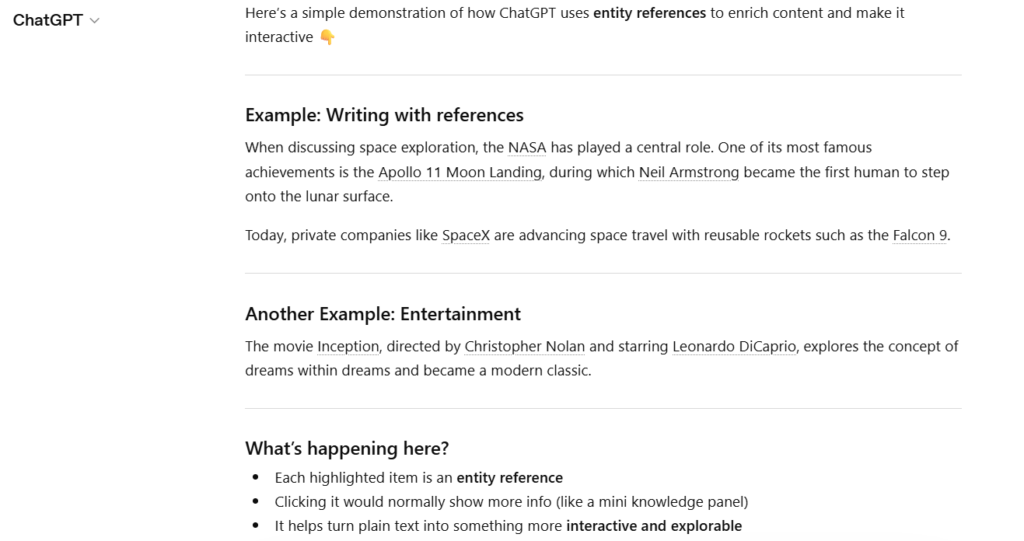
- Content research – AI can quickly summarise and surface key info from sources about topics like Digital Marketing or Artificial Intelligence.
- Topic expansion – AI can turn one idea into many angles or subtopics. Example: “Content marketing” → blog ideas like:
- Beginner guides
- Case studies
- Tools & comparisons
- Trends for 2026
- Data analysis – AI can interpret datasets, find patterns, and explain results clearly using concepts like Regression Analysis. Example: Upload sales data → AI highlights trends, anomalies, and predictions.
Used incorrectly, it produces generic content that does not rank or convert.
The difference comes down to strategy and execution.
Who still benefits from SEO?
SEO remains highly effective for:
- Service-based businesses targeting local or national search
- E-commerce sites with clear product demand
- B2B companies with long sales cycles
- Brands building authority in competitive industries
If your audience uses search to find solutions, SEO remains essential.
Final verdict
SEO is still worth it. What has changed is the level of quality required.
Basic optimisation is no longer enough. Businesses need a structured, intent-driven, authority-focused approach. AI has raised the standard, not eliminated the opportunity. Those who adapt will continue to generate traffic, leads, and revenue. Those who do not will lose visibility. If your SEO strategy has not evolved with search, it is already falling behind.